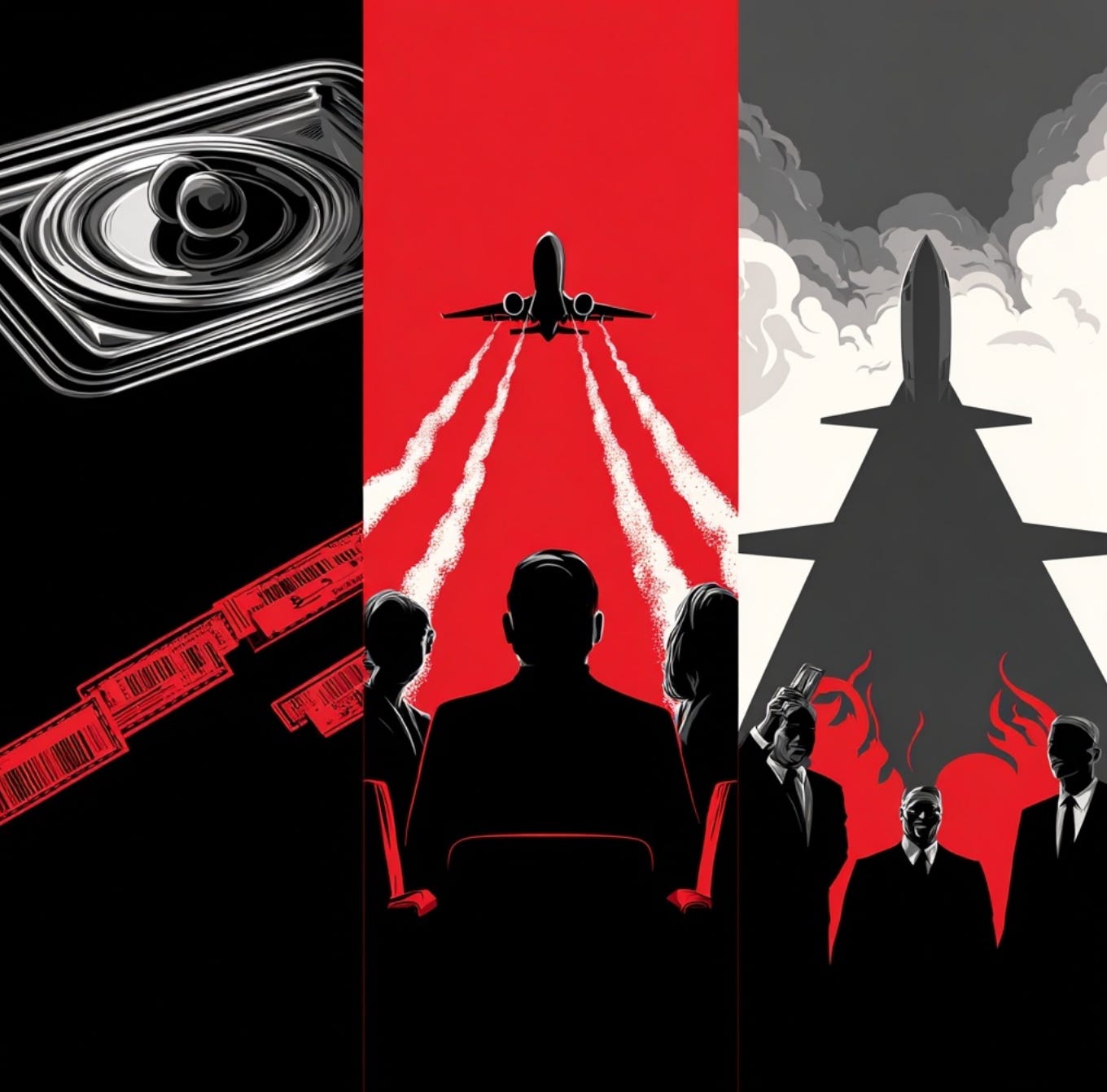
In 1987, American Airlines made headlines by claiming it had saved $40 million by removing a single olive from its in-flight salads. The move was celebrated as a masterstroke of discipline.
The true figure is about $40,000 a year, not $40 million. Robert Crandall, then CEO of American Airlines, told the story in the mid-1980s about reducing garnishes in first-class meals. Business writers and speakers picked it up, and over time the savings were inflated until the myth became “$40 million.” Business schools retold it. Journalists praised it. The airline was framed as heroic for finding genius in thrift.
The problem is that it was theater, not strategy. The savings were exaggerated. The airline’s challenges had little to do with garnishes. But the symbolism mattered more than the truth. Executives were rewarded not for solving structural problems of efficiency or revenue, but for looking brave while cutting costs.
This is the pattern. Logic is visible, but it is rarely rewarded. Applause is easier to earn than patience. And when logic conflicts with optics, leaders at every level consistently choose optics.
On January 28, 1986, NASA launched the Challenger shuttle against the warnings of its engineers. Data showed the O-rings would fail in cold weather. Delay looked weak. Launch looked decisive. Seventy-three seconds into flight, the shuttle disintegrated and seven lives were lost.
Decades later, Boeing pushed the 737 Max into service despite engineers warning of risks in the new flight control system. Internal memos documented the flaws. But redesign looked expensive. Speed looked brave. Two crashes followed. Three hundred and forty-six people died. Billions were lost.
The olive. The Challenger. The 737 Max. Different scales, the same story. Logic is abandoned because incentives, psychology, and power make rejection easier than obedience.
Incentives Over Truth
Economists call it the principal-agent problem. Shareholders want long-term value. Executives want to survive the next quarter. That gap drives decisions.
It happens far below the C-suite too. A factory supervisor ignores a maintenance warning to hit today’s quota, even if downtime tomorrow will cost more. A sales manager slashes prices to close this quarter’s deals, even though margins collapse next year. A middle manager fills activity reports with superficial projects because visibility gets rewarded more than outcomes.
And layered on top of this is the theater of cost cutting. There is nothing wrong with trimming expenses. It is part of discipline. But when cost cutting becomes the culture itself, the logic disappears. Negotiation is mistaken for strategy. Leaders are celebrated for squeezing suppliers or shaving budgets, even when evidence shows indiscriminate cuts weaken service, slow innovation, and damage long-term performance.
This is where logic gets abandoned. The rational question should be: What problem did I solve that added value? Instead, executives return home congratulating themselves for “winning” a zero-sum bargain. If you are in a role dealing with external providers or service partners, stop and ask what you built. Did you solve an inefficiency, unlock growth, reduce genuine waste? Or did you play the part of a street seller haggling for applause while the larger problem remained untouched?
Cost discipline is logic. Cost theater is not. Yet it is the theater that gets rewarded.
Stories Over Statistics
Even when incentives leave space for rational choice, our cognition still tilts away from logic. Narrative psychology shows why. People encode and recall vivid anecdotes at four to five times the rate of statistical summaries.
This plays out in every boardroom. One executive tells a story about a competitor’s bold gamble. Another recalls a viral campaign they saw the night before. The anecdotes anchor attention. The regression model on the screen fades from memory. Logic is not absent. It is just less sticky.
Marketing displays this bias most clearly. A single influencer case study earns more airtime than decades of empirical evidence. Yet Nielsen’s Catalina study of more than 2,000 digital campaigns found that two-thirds delivered no incremental sales lift at all. The reach of most influencer campaigns is microscopic compared to broad-reach media. But the story feels persuasive. The science does not.
Power Resists Logic
The last barrier is authority. Logic is threatening to power because to obey data is to admit instinct was wrong. Few leaders rise through the ranks to hand decisions to a spreadsheet.
Jeffrey Pfeffer’s research at Stanford shows how power repeatedly overrides rational analysis. In mergers and acquisitions, analytic models consistently predicted outcomes better than executives. Yet deals still went forward on instinct. The same applies in HR. Structured interviews predict job performance far better than unstructured ones, yet hiring managers cling to informal conversations where their judgment feels decisive.
Marketing science suffers the same fate. The laws of growth are replicated and predictive. Yet leaders reject them, because conceding to data would mean admitting that cherished campaigns or influencer bets matter less than reach and memory. Ego defends power before it defends evidence.
The Cost of Ignoring Logic
The consequences are everywhere.
Structured interviews outperform unstructured ones across thousands of studies, yet gut feel dominates hiring.
Meetings filled with optics outnumber meetings that solve real problems, because activity is rewarded more than outcomes.
Most influencer campaigns generate no incremental sales, yet boards continue to fund them because they look modern.
Cost cutting is celebrated as heroism, even when it strips muscle instead of fat.
The Challenger disaster and the Boeing crashes were public tragedies, but smaller versions unfold daily. Quotas get met while machines break down. Campaigns get launched while evidence is ignored. Budgets get slashed with bravado as if survival itself were strategy. Careers are preserved. Value is not.
Why Logic Fails in Leadership
Logic requires patience. Incentives reward immediacy. Logic requires humility. Power rewards confidence. Logic requires abstraction. Humans remember stories.
The tragedy is not that leaders lack access to logic. It is that they reject it, systematically, at every level. From the shift supervisor who ignores a warning light to the executive who boasts about shaving costs, the pattern is the same. Logic is visible but inconvenient. And so it is abandoned.
Which brings us back to the paradox of this article. To argue for logic I have had to rely on the very tools that push logic aside. Stories, examples, metaphors. Without them, little of this would be remembered. That may be the final irony. Logic cannot speak for itself. It needs propaganda.